
"other countries"
30000 article(s) found

Introduction to the Flavor and Taste characteristics of Coffee Bean in Saint Roman Coffee Manor, Costa Rica
In 1949 Figueres Ferrer handed over power to the elected leader of the National Union Party, O. Ullat Blanco. In October 1951, led by Figueres Ferrer, the National Liberation Party was founded. In the six general elections from 1953 to 1978, the National Liberation Party won four times. When the party was in power, it stressed that the state intervened in the economy, nationalized some industries and raised import taxes to protect the nation.

Fine Coffee producing areas introduce the practice of Colombian Coffee how to make Colombian Coffee delicious
Coffee from Colombia is one of the few individual coffees sold in the world under the name of the country. In terms of quality, it has won praise unmatched by other coffee. Compared with other producing countries, Colombia is more concerned with developing products and promoting production. It is this, coupled with its superior geographical and climatic conditions, that makes Colombian coffee excellent in quality and delicious and famous all over the world.

30 ways to drink coffee in other countries
PHARISER: 1/4 cups of coffee, 1 cube of sugar, 2 small cups of rum, whipped cream EISKAFFEE: iced coffee, 2 handmade vanilla ice cream balls, whipped cream, chocolate powder Germany is the world's second largest importer of coffee, after the United States. But initially, coffee shops appeared only in the two northern port cities of Bremen and Hamburg. Berlin until 1721

Colombia's second largest producer after Brazil
In 1808, coffee was first introduced to Colombia, which was brought by a priest from the French Antilles via Venezuela. Today the country is the second largest producer after Brazil. Colombian coffee origin: Colombian coffee is one of the few original coffee sold in the world under the name of the country. In terms of quality, it has acquired other

Common sense of coffee beans introduction to Ugandan Uganda coffee
In Uganda (Uganda), Arabica coffee beans account for only 10 per cent of the country's total coffee production, but it is enough to attract attention. Uganda's best coffee is mainly produced in the mountains of Elgon and Bugisu along the Kenyan border in the north and Ruwensori in the west, and is available for export in January or February of each year. Red

The Central Mountains of Madagascar | the flavor of washed Arabica and Robusta coffee beans?
Professional coffee knowledge exchange more coffee bean information please follow the coffee workshop (Wechat official account cafe_style) Madagascar's Central Mountains | what is the flavor of washed Arabica and Robusta coffee beans? Producing area: the central mountain range of Madagascar. Altitude: 3600-4900 feet, natural organic pollution-free, fertile volcanic soil type. Environment: annual average temperature 24 ℃

Colombian coffee tastes like Chinese green tea.
Mo Yan once commented that Colombian coffee has the taste of Chinese green tea. Colombian coffee (Cafe de Colombia), which originated in Colombia, is one of the few individual coffees sold in the world under the name of the country. In terms of quality, it has won praise unmatched by other coffee. Compared with other producing countries, Colombia is more concerned with developing products and promoting production.

The latest introduction of boutique coffee beans Colombian coffee
Colombian coffee (Cafe de Colombia), which originated in Colombia, is one of the few individual coffees sold in the world under the name of the country. In terms of quality, it has won praise unmatched by other coffee. Compared with other producing countries, Colombia is more concerned with developing products and promoting production. It is this, coupled with its superior geographical and climatic conditions, that makes Goran
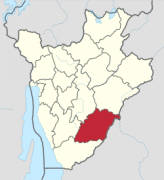
What are the taste characteristics of Burundian coffee beans, Heart of Africa? Challenges to the coffee industry in Burundi
Burundi is a small mountainous landlocked country in east-central Africa located between Rwanda Tanzania and the Democratic Republic of the Congo. East Africa is famous for producing quality coffee, and Burundi is no exception. Although the production here is very small compared with other African countries, coffee farmers in Burundi pay great attention to detail. Burundi has the second highest per capita GDP in the world and is considered to be
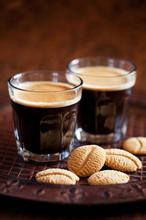
Salvadoran coffee bean flavor
Salvadoran coffee ranks side by side with Mexico and Guatemala as the producers of Asa and Merdo, and is fighting for the top one or two places in China and the United States with other countries. The highlands of origin are large coffee beans of all sizes, which are fragrant and mild in taste. Like Guatemala and Costa Rica, coffee in El Salvador is graded according to altitude, and the higher the altitude, the better the coffee

Coffee, a legend that can change the world
mark? Long live Coffee: how Coffee changes the World (translated by Han Huaizong) is by far the most complete record of the legend of coffee. After it was published in the United States, it immediately attracted high media attention. CNN, ABC and others have interviewed the author for this purpose, and this magazine specially publishes an abstract of the book long live Coffee. After you read it, you might.

Does the coffee industry account for 1/3 of the three major industries in Uganda?
In order to improve the quality and reduce the cost of coffee, Uganda cancelled the exclusive management right of the Coffee Management Committee (Coffee Marketing Board, referred to as CMB) in November 1990. Most of the work originally undertaken by the Coffee Management Committee has now been handed over to the cooperative organization. Privatized coffee accounts for 2% of the country's export revenue, so the government levies coffee shops.

Costa Rican coffee beans taste Costa Rican coffee beans price Guatemala coffee beans
Coffee is an important economic source of Costa Rica. It was introduced in 1808 and has been cultivated for 200 years. Costa Rica has 1x3 population invested in newly developed villa sarchi, newly developed villa sarchi and coffee-related industries. Colombians say that coffee has changed the country and enjoyed a rich environment, and coffee has indeed made an outstanding contribution.
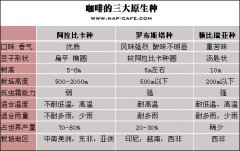
The three native species of high-quality coffee
There are three main varieties of coffee: Arabica Arabica, Robusta Robusta, and Liberia Liberica. The first two are relatively long-term, while the latter is hardly in circulation on the market and is only traded within parts of West African countries. Arabica is mainly produced in Brazil, Colombia, Guatemala, Jamaica, Mexico and other American countries, and Costa Rica in the Caribbean.
Origin flavor of Salvadoran coffee
Taste characteristics: sour, bitter, sweet mild and moderate. Salvadoran coffee ranks side by side with Mexico and Guatemala as the producers of Asa and Merdo, and is fighting for the top one or two places in China and the United States with other countries. The highlands of origin are large coffee beans of all sizes, which are fragrant and mild in taste. Like Guatemala and Costa Rica, coffee in El Salvador is based on altitude.

The flavor and taste of Ugandan coffee beans the characteristics of the manor producing area of Ugandan coffee
Uganda's coffee production ranks first in Africa, accounting for more than 70% of its total exports. Uganda is also the hometown and main producing area of Robes specialty coffee. In the 1960s, Ugandan coffee production remained at 3.5 million bags a year. By the mid-1980s, coffee production had dropped to 2.5 million bags a year, mainly for political reasons. But now coffee production is on the rise again, which is large at present.
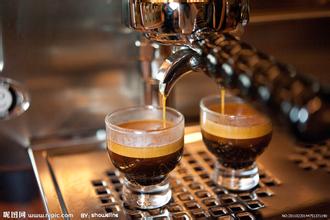
Costa Rican Yerzaro Coffee Flavor description introduction to the Grinding degree of Fine Coffee beans
Costa Rican coffee has full particles, ideal acidity and unique strong flavor. Costa Rica's coffee industry, originally controlled by the Costa Rican Coffee Industry Company (InstitutodelCafdeCostaRica, ICAFE), has been taken over by the official Coffee Committee (OficinadelCaf). In the coffee exported, those products that are considered to be of substandard quality use blue.

Coffee bean producing countries introduce Guatemalan coffee
In 1750, Father Jesuit introduced coffee trees to Guatemala, where the coffee industry was developed by German colonists at the end of the 19th century. Today, most of the coffee industry's production takes place in the south of the country. Coffee production in Guatemala: the slopes of SierraMadre volcano provide ideal conditions for growing high-quality coffee beans at high altitudes.

The latest Colombian coffee introduces Colombian coffee boutique coffee beans
Colombian coffee (Cafe de Colombia), which originated in Colombia, is one of the few individual coffees sold in the world under the name of the country. In terms of quality, it has won praise unmatched by other coffee. Compared with other producing countries, Colombia is more concerned with developing products and promoting production. It is this, coupled with its superior geographical and climatic conditions, that makes Goran

Introduction to the characteristics of coffee flavor and taste varieties in Los Congo Manor, Nicaragua
Nicaragua is one of the major gold-producing countries in Latin America. It has been proved to have 106 gold veins, with an annual output of 70,000 ounces, ranking 13th in the world. Other minerals include silver, antimony, zinc, copper, lead and so on. Rich in geothermal resources. There are two oil deposits. Forests account for 43% of the country's area, exporting pine and mahogany. Fish and shrimp are rich in aquatic products. Managua, the capital of Nicaragua, is located on the border.